Czech Knife Manufacturer
Mikov
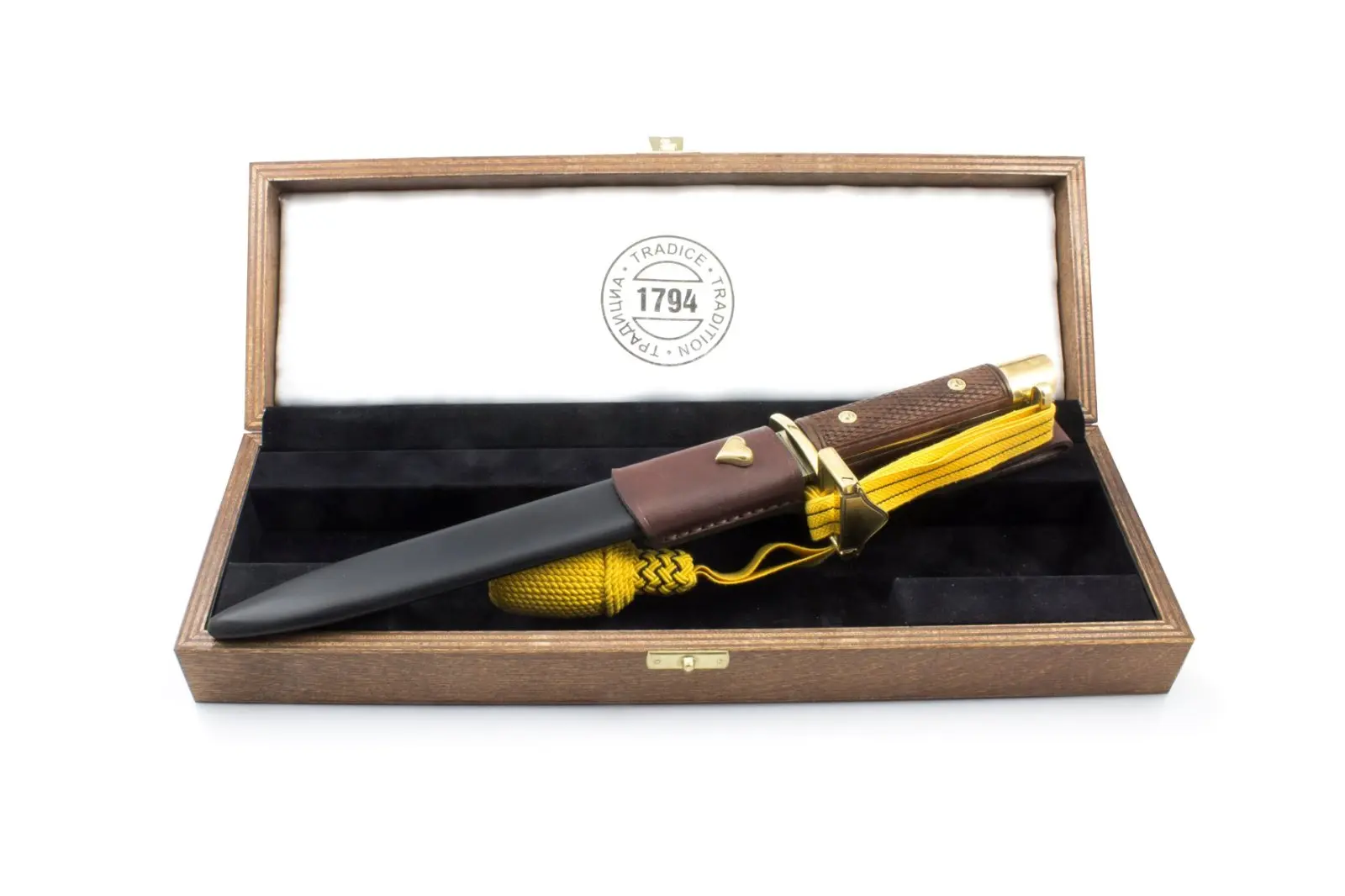
Mikov knives — Rybičky pocket knives in limited editions, M 1917, BOBUN, BOMBUR, STORM, REPETITOR, GOLAK and special military editions.
Mikov Knife Collection
M 1917 – 2009
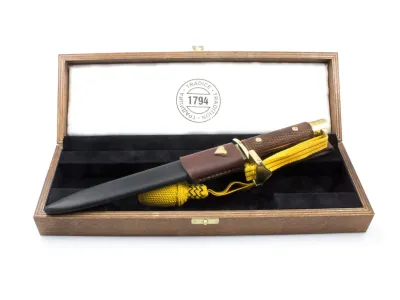
M 1917 white
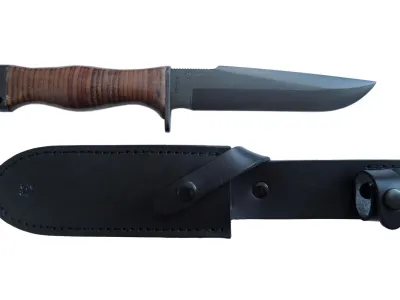
BOBUN 2016
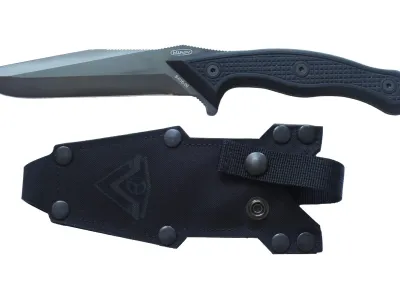
STORM 2020
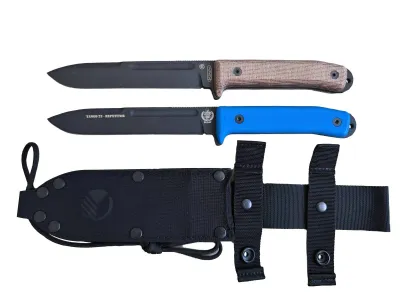
REPETITOR 2022
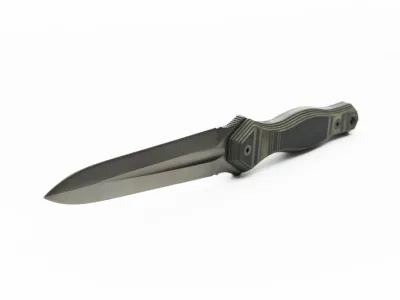
GOLAK 2024
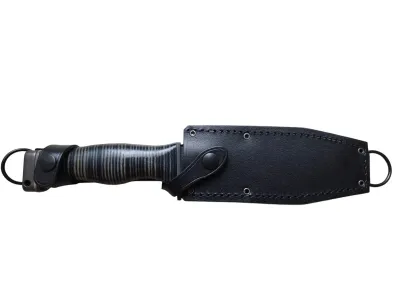
FOXTROT 2025
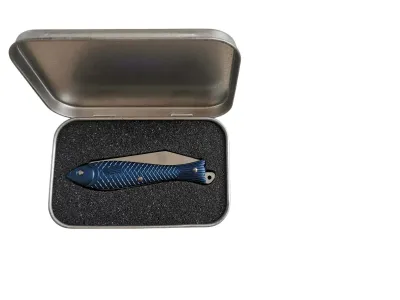
Blue Rybička – 2009
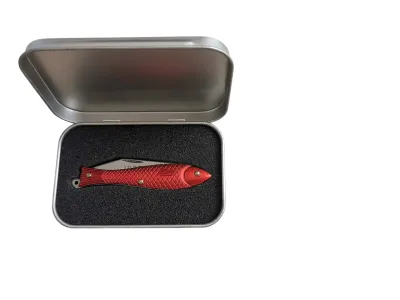
Red Rybička – 2010
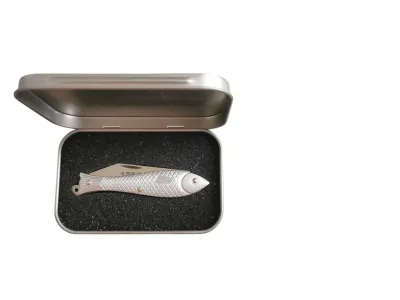
White Rybička – 2014
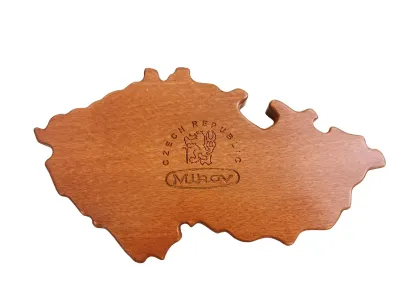
Investment Rybička – NUZ 130-DI-1
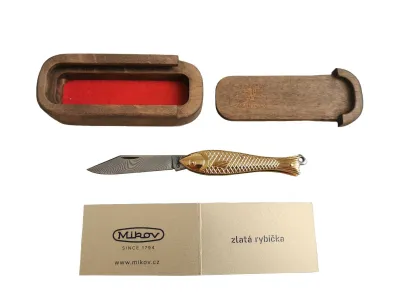
Gold Rybička – NUZ 130-DZ-1
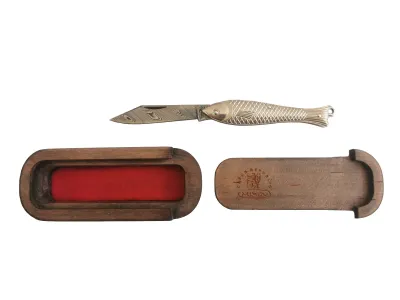
Silver Rybička – NUZ 130-DS-1
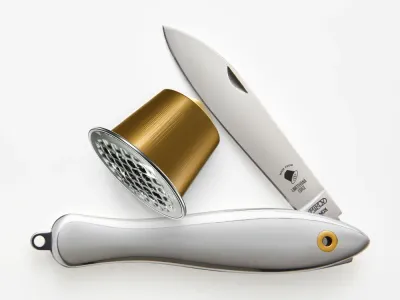
Rybička Nespresso 2018
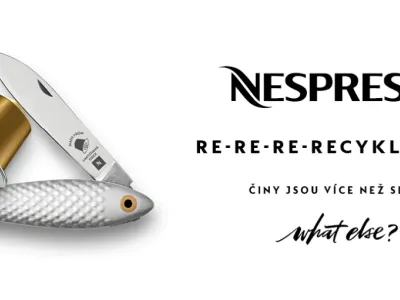
Rybička Nespresso 2020
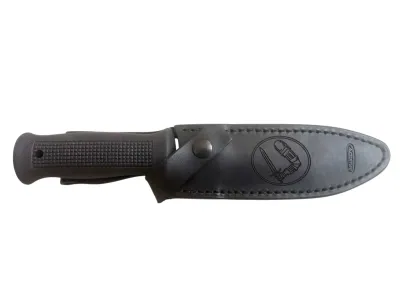
BOMBUR – ACR Honor Guard Memorial Knife
How MIKOV was born – the story of a knife-making town
Long before MIKOV came into existence, the small foothill village of Mikulášovice in northern Bohemia — then known by its German name Nixdorf — was one of the most important centres of the knife-making industry in all of Europe. Before World War II, nearly four thousand different models of pocket knives were produced here, travelling to markets around the world — to England, France, America, the Balkans and the Soviet Union.
The local factories were legends in their own right. Franz Frenzel — founded 1870 — offered over 1,380 models. Ignaz Rösler's Söhne produced 800 to 900 patterns, Julius Pilz synové another 500 to 600. Alongside them stood factories Drasche, Knoth, Dittrich, Richter and dozens of other workshops and home operations cooperating with the large plants. Almost every house in Mikulášovice had someone grinding or assembling knives. Professional training was provided right in the village by the Fachschule für Metallindustrie — the vocational school for the metalworking industry.
The end of an old world: 1945
After 5 May 1945, all German enterprises were confiscated under presidential decrees and their owners expelled. Firms such as Ignaz Rösler's Söhne, Julius Pilz synové, Franz Frenzel and Jakob Ditrich ceased to exist under their original names. Experienced owners were replaced by national administrators without professional knife-making qualifications.
The result was devastating. A contemporary document from 1948 records:
"Today it can be said that at least 4/5 of the knife-making industry in Mikulášovice is completely destroyed, and the remaining fifth barely survives without expert management."
The struggle for survival and the birth of MIKOV
The confiscated plants passed to the national enterprise SANDRIK, headquartered in Bratislava. Distant management without knife-making experts only worsened the situation. Into this chaos stepped the Knife-makers' Guild, which sent its representative — Emanuel Famíra — to Mikulášovice with the task of reviving production, training staff and standardising pocket knife models.
From the ashes of wartime confiscations, a new enterprise gradually emerged. The factories that had once borne the names Rösler, Pilz, Frenzel and Drasche merged into a single entity — MIKOV, national enterprise Mikulášovice. The name is derived directly from its place of origin: MIkulášovice KOVoprůmysl. The story of MIKOV is a story of continuity against all odds — the craft was passed on from master to apprentice, and every knife made in Mikulášovice carries a piece of that history.
Frequently Asked Questions about MIKOV
How and when was MIKOV founded?
MIKOV was established as a national enterprise in Mikulášovice in the years following World War II, when German knife factories (Rösler, Julius Pilz, Franz Frenzel, Drasche and others) were confiscated and gradually merged. From 1957 onwards, MIKOV operated as a fully independent national enterprise, separated from SANDRIK, which had administered these plants transitionally after 1945.
What does the name MIKOV mean?
The name MIKOV is derived directly from its place of origin and field of production: MI from Mikulášovice, KOV from Kovoprůmysl (metalworking industry). The full name thus abbreviates the Mikulášovice metalworking industry.
What knife-making tradition preceded MIKOV?
Mikulášovice (German: Nixdorf) was before World War II one of the most important centres of the knife-making industry in all of Europe. Nearly four thousand different models of pocket knives were produced here. The largest factories — Franz Frenzel (est. 1870, over 1,380 models), Ignaz Rösler's Söhne (800–900 models) and Julius Pilz synové (500–600 models) — supplied markets from England to the Balkans.
Why did the original knife factories in Mikulášovice disappear?
After the end of World War II, all factories belonging to German owners were confiscated under presidential decrees and their owners expelled. Skilled knife-making masters left, replaced by administrators without professional qualifications. Contemporary reports indicate that at least four-fifths of the knife-making industry in Mikulášovice had been effectively destroyed by 1948.